
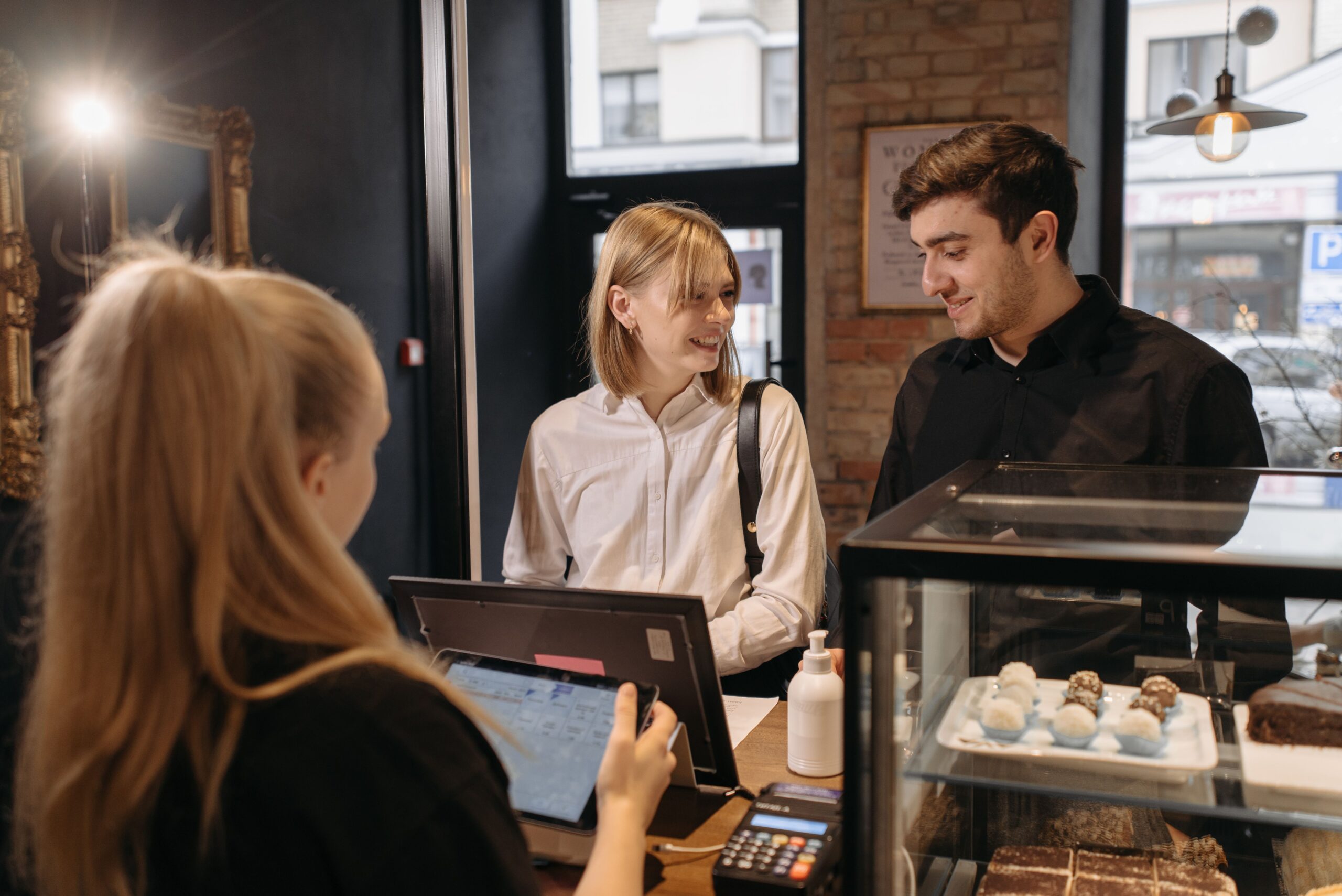
You make hundreds of purchasing decisions each week, most without conscious thought. What drives those choices isn’t always price or quality. Behind every transaction is a network of subconscious triggers, emotional cues, and environmental signals. Understanding the psychology behind buying behavior gives you a clearer picture of what truly influences customer decisions and why some businesses consistently outperform others in capturing attention and loyalty.
Key Takeaways:
- People buy based on emotional responses that happen in seconds, often without conscious awareness. A split-second impression, shaped by subtle cues like design or tone, can determine whether a product feels right or forgettable.
- Social proof plays a powerful role in purchasing decisions. Customers look to others-especially peers or trusted figures-to decide what’s valuable, safe, or worth trying, making word-of-mouth and visible validation essential.
- Choice overload can paralyze decision-making. When faced with too many options, customers often walk away or default to familiar brands, meaning simplicity and clear guidance often win over variety.
The Blink Response
Your brain often decides whether to buy long before you’re consciously aware of it. Within seconds, sensory cues like color, scent, and design trigger an emotional reaction that shapes your judgment. These snap responses aren’t random-they’re built on years of personal experience, cultural conditioning, and biological predisposition. You rely on this immediate feeling to filter options in a world overflowing with choices. What feels right in the moment usually wins, even if you later justify it with logic.
- Subconscious Desires
Beneath your everyday decisions lie deep-rooted wants you rarely acknowledge-security, status, belonging, or even rebellion. These subconscious desires shape what you’re drawn to, often without any conscious recognition. A luxury watch isn’t just about telling time; it whispers success to both you and others. When a product aligns with these hidden impulses, resistance fades. You act not because you’ve analyzed the specs, but because something inside quietly says, “This is for me.”
- The Myth of Rationality
You believe you make purchase decisions based on logic, features, and value comparisons, but evidence shows otherwise. Most buying behavior follows an emotional impulse retrofitted with reasoning after the fact. You might claim you chose the car for its fuel efficiency, yet the real driver was how it made you feel when you sat inside. Data plays a role, but only after intuition has already pointed the way. Pure rationality in shopping is less common than you think.
The Social Contagion
People rarely make purchase decisions in isolation. You’re constantly absorbing cues from those around you, often without realizing it. When others buy a product or embrace a service, their actions signal safety and value, reducing your perceived risk. This invisible pull doesn’t rely on advertising-it thrives on observation, imitation, and the quiet reassurance that comes from collective choice. Behavior spreads like a whisper, shaping demand through presence rather than persuasion.
- Mimetic Desire
You want what others want, not because you need it, but because desire itself is contagious. When someone in your circle adopts a product, their choice plants a seed. It’s not just about status or envy-it’s a deep-rooted response to social signals. You interpret their interest as evidence of worth, and that subtle shift in perception can tip your decision. The object gains meaning not from its features, but from being wanted.
- Communal Validation
Your confidence in a purchase grows when you see approval from people you identify with. A five-star rating matters less than knowing your neighbor bought the same blender or your colleague swears by a particular app. These micro-endorsements form a silent consensus that feels more authentic than any ad. You trust the group not because it’s perfect, but because it mirrors your world, making their choices feel like safe bets.
The Tyranny of Abundance
- Decision Paralysis
Too many options slow your decision-making, not speed it up. When faced with dozens of nearly identical choices, your brain doesn’t engage more deeply-it shuts down. Instead of feeling empowered, you feel overwhelmed, and that tension often ends in no purchase at all. Limiting available options reduces mental load, helping you move from hesitation to action faster than any discount or feature comparison ever could.
- The Value of Curation
Curation signals confidence and direction. When a brand intentionally narrows what’s available, you interpret that as expertise, not limitation. You’re more likely to trust a selection when it feels deliberate rather than endless. A tightly edited range of products speaks louder than a sprawling catalog, because it tells you someone already did the hard work of choosing, so you don’t have to.
The Narrative Glue
Stories shape how you perceive value long before logic enters the conversation. When you position your product within a larger narrative-whether it’s about reinvention, belonging, or defiance-you tap into deeper cognitive currents that memory and meaning flow through. People don’t just buy what you sell; they buy the story that surrounds it. A well-crafted narrative becomes the mental anchor, making your offering easier to recall, more relatable, and inherently more valuable because it fits into an identity your customer already recognizes or aspires to.
- Brand Mythology
You build brand mythology by weaving origin, purpose, and struggle into a coherent tale that feels larger than the product itself. Think of how certain companies frame their beginnings in garages or underdog battles against giants-these aren’t just anecdotes; they’re modern parables. When you align your brand with archetypal journeys like the hero’s quest or the rebel uprising, you invite customers to see themselves as protagonists. This connection isn’t accidental; it’s cultivated through consistent storytelling that rewards belief with belonging.
- Emotional Resonance
You create emotional resonance when your story mirrors the inner world of your audience-their fears, hopes, and quiet longings. It’s not about dramatic ads or sentimental music; it’s about precision in messaging that says, “We understand what you’re going through.” A mid-sized SaaS firm, for instance, might frame its tool not as software but as relief from daily chaos, speaking directly to overwhelmed managers. When customers feel seen, the product becomes more than functional-it becomes meaningful, remembered not for features but for how it made them feel.
The Environmental Nudge
Sensory details in your environment shape decisions more than you realize. The scent of freshly brewed coffee in a café triggers hunger and warmth, prompting unplanned purchases. Warm lighting, soft music, and even floor textures guide mood and movement, making certain areas feel more inviting. You respond to these cues without conscious thought, drawn toward comfort and familiarity. When atmospherics align with intent, action follows naturally-often before doubt has time to interfere.
- Atmospheric Triggers
Your surroundings silently steer your choices through temperature, light, and sound. A boutique playing mid-tempo music slows your pace, increasing the odds you’ll notice a scarf or pair of earrings. Cool tones in a tech store convey precision and trust, while warm wood finishes in a furniture showroom suggest comfort and longevity. These elements aren’t decorative afterthoughts-they’re deliberate signals that shape perception. You feel at ease before you even know what you want, and that feeling opens the door to buying.
- Instant Gratification
Seeing a product in stock and ready to go taps into your instinct for immediate reward. Limited-time offers displayed on digital screens create urgency without pressure, nudging you to act now rather than later. Free samples placed near checkout don’t just showcase flavor-they deliver satisfaction in real time, reinforcing the desire to own. When fulfillment feels instant, hesitation fades. You’re not just purchasing an item; you’re claiming a moment of pleasure that begins the second you decide.
The Path of Least Resistance
Customers don’t just choose the best product-they pick the easiest path to a solution. Your offering might solve a real problem, but if friction stands between desire and delivery, hesitation takes over. Psychological resistance builds when decisions feel taxing, unclear, or risky. You reduce this by designing experiences that feel intuitive and safe. Long-term retention starts the moment someone completes their first exchange without second-guessing it.
- Cognitive Ease
You process information more quickly when it feels familiar and simple. When your messaging uses clear language, consistent visuals, and predictable structures, customers don’t have to work to understand what you offer. This mental comfort lowers resistance and increases confidence in acting. Confusion creates doubt, and doubt kills action. By aligning your content with how people naturally think, you remove invisible barriers that otherwise block commitment.
- Transactional Simplicity
Every extra step in your purchase flow multiplies the chance of abandonment. Customers want solutions, not procedures. If signing up requires too many fields, or checkout asks for unnecessary details, frustration grows silently until they leave. Streamline every touchpoint so completing a transaction feels effortless. Offer guest checkouts, auto-fill options, and minimal clicks. When the process feels smooth, people act without pausing-and are more likely to return when future needs arise.
Conclusion
You buy for reasons that often feel personal, even intuitive, yet are shaped by forces you may not notice. Every choice you make reflects a mix of emotion, environment, and subconscious cues that successful businesses learn to anticipate. You respond to stories, not just products, and to social proof more than advertisements. When companies understand what drives you-the need for belonging, the pull of ease, the power of context-they design experiences that align with your natural behavior. You don’t just purchase solutions. You vote, with every decision, for the kind of world you want to live in.